
A new class of electrophysiology platform based on Nano-Electrode Arrays (NEA)
High-resolution, non-invasive, multiplex electrophysiology measurements
Challenges in preclinical electrophysiology
Current electrophysiology approaches in preclinical and translational research involve trade-offs between signal fidelity, spatial resolution, invasiveness, and recording duration. These constraints limit the ability to capture fine-scale functional dynamics across cell populations over extended periods.
Exploring cellular function at single-cell level and network scales
Senscell Biosystems develops NEA biochips and real-time analysis software for high-resolution electrophysiological measurements spanning single cells and cellular networks.
High-resolution electrophysiological measurements for preclinical studies
Functional data for preclinical studies

Quantitative electrophysiological readouts for in vitro assays
Repeated, time-resolved measurements across experimental conditions
Reproducible data for comparative functional and morphological analysis
Our next-generation electrophysiology platform
Patented NEA biochips on a transparent substrate for simultaneous electrophysiology and morphology
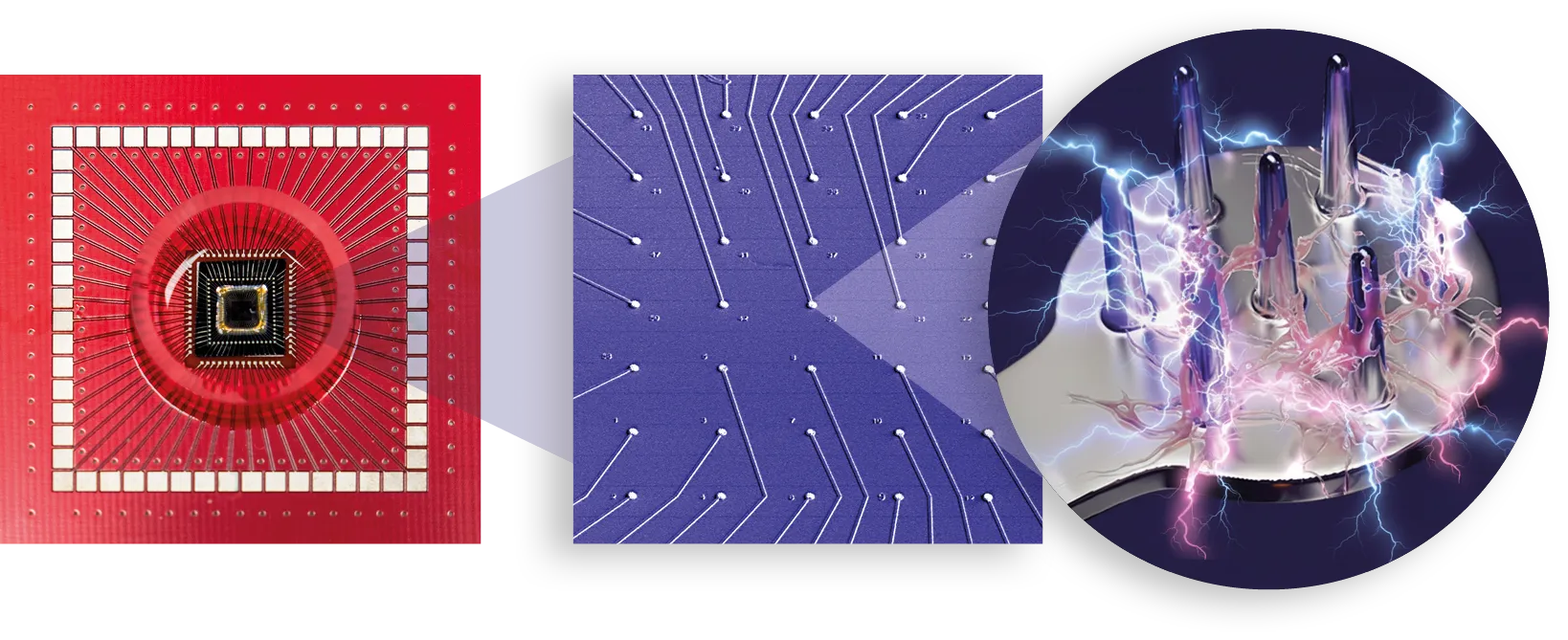
By integrating 3D nanostructured electrodes into standard cell-culture supports, Senscell’s NEA biochips form a tight, non-invasive electrode–cell interface that supports electrophysiological recordings from subcellular to network scales.
Key technical features

Subcellular spatial resolution

Nano-electrode interfaces enabling electrophysiological measurements at the subcellular scale.

Ultra-high signal-to-noise ratio
High-fidelity detection of signals (up to tens of millivolts), with signal-to-noise ratios exceeding 2000 allows detection of resolved spikes (Field and Action potential) and low amplitude events (synaptic potentials …)

Long-term recording stability
Stable, non-invasive recordings maintained over extended durations, from weeks to months, on the same cell cultures.

Full optical transparency
Transparent architecture compatible with standard inverted microscopes, enabling concurrent functional and morphological analysis.

Compatibility with 2D and 3D biological models
Electrophysiological recordings applicable to 2D dissociated cell cultures or human induced pluripotent stem cells as well as 3D tissues, including organoids and ex vivo slices, without compromising signal quality.

Drop-in compatibility with existing laboratory infrastructure
Compatible with standard cell-culture protocols, microscopes, incubators and plate readers.
Core principles of our electrophysiology approach
Developed from nano-bioelectronics research conducted at CNRS, the Senscell architecture is grounded in peer-reviewed scientific work and protected by two patent families These foundations define three core design principles underlying the NEA biochip technology:

3D nanostructured electrode interfaces designed to achieve low-impedance, high-quality electrical coupling with cells

Optical transparency with preserved electrical performance

Stable intracellular-like coupling without disrupting membrane integrity
Highlighted Publications
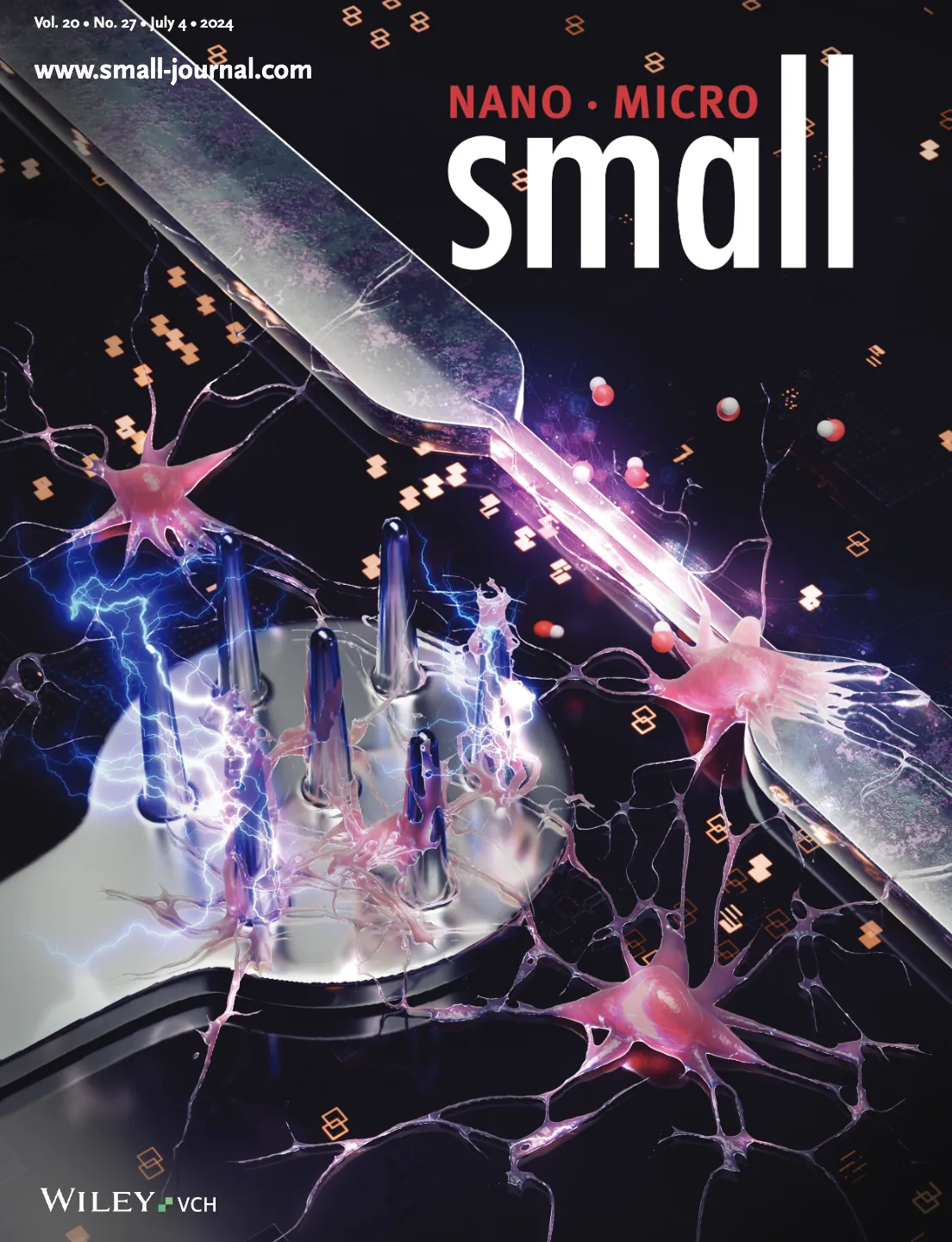
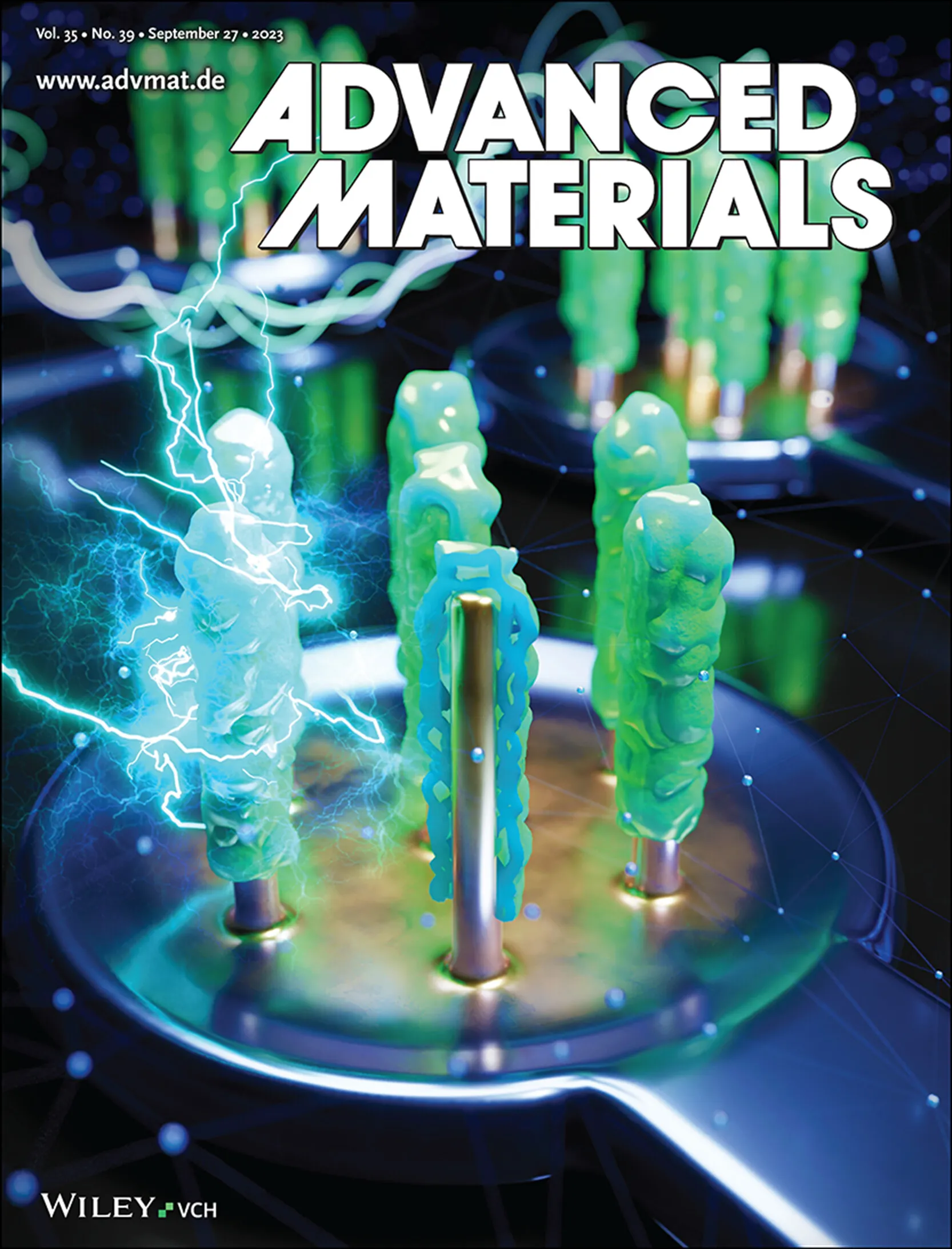
Additional references available upon request (CNRS nanoelectronics archives, NEA architect papers).
Designed for preclinical research workflows
The Senscell platform is intended for use by pharmaceutical, biotech, CRO and academic teams conducting in-vitro electrophysiology studies in neuroscience, cardiology and toxicology. It is compatible with a range of human-relevant models, including iPSC-derived cell systems.
Application areas


Neuroscience
• Network excitability and synchrony
• Burst activity, oscillations and connectivity metrics
• iPSC-derived neurons, organoids and co-cultures
• Synaptic activity under pharmacological modulation
• Longitudinal network plasticity studies


Cardiac safety and efficacy
• Pro-arrhythmic risk profiling (CiPA-related assays)
• Repolarization dynamics and QT-related markers
• Off-target cardiac safety screening
• iPSC-derived and primary cardiomyocyte models
Accelerate your drug discovery
Through high-resolution electrophysiological measurements spanning subcellular and network-level dynamics.

Pharma laboratories
Generate quantitative electrophysiological data to support lead optimization across cellular and network scales.

CRO
Deliver standardized, high-fidelity electrophysiological measurements across a range of in-vitro models.

Biotech companies
Assess functional activity in iPSC-derived systems, organoids and co-cultures with subcellular resolution.

Academic laboratories
Investigate electrophysiological mechanisms from single cells to networks using non-invasive, high-resolution recordings.
Leadership & scientific team
Senscell Biosystems is built by a multidisciplinary team combining nano-bioelectronics research, technology development and preclinical pharmacology, with strong links to academic and industrial ecosystems.

Bertrand Darrouzet
CEO & Co-Founder
Tech entrepreneur with over 20 years of experience in building and scaling technology-driven companies. His background spans business development, strategic partnerships and international growth.
Guilhem Larrieu, PhD
CSO & Co-Founder (CNRS)
Director of Research at CNRS and inventor of Senscell’s Nano-Electrode Array (NEA) technology. His expertise covers nanoelectronics, neurotechnology, biointerfaces, , advanced materials and micro-/nano-fabrication.

Didier Cussac, PhD
Pharmacology & Translational Science Expert
Senior pharmacologist with more than 25 years of experience in drug discovery and preclinical pharmacology. He has led multidisciplinary programs in CNS and cardiovascular research, with a strong focus on translational strategies.

Guillaume Jeffroy
Head of Software
Senior Python developer and data scientist with over 8 years of experience in pharmaceutical environments. He specializes in electrophysiology data processing, signal analysis and scientific data visualization.

Clément Cointe, PhD
R&D Engineer – Bioelectronics & Microfabrication
Bioelectronics engineer specialized in microfabrication, biomaterials and electrophysiology devices. He completed his PhD on ultrathin bioresorbable neural electrodes and contributed to the EMAPS-Cardio European program.

Extended Academic & Technical Support (LAAS-CNRS)
In addition to its core team, Senscell benefits from close operational support within LAAS-CNRS, providing complementary expertise in biology and electronics.
Early Access Program
Senscell is preparing pilot evaluations of its NEA biochip platform with selected CROs, pharmaceutical and biotech partners. This early access program is intended to support technical evaluation of the platform under representative preclinical conditions.
Program scope:

Evaluate NEA biochips on neurons & cardiomyocytes in-vitro models (2D, 3D, organoids)

Generate high-resolution functional data with first-generation plates

Access early versions of the analysis software (spikes, bursts, coupling, connectivity)

Compare sensitivity with existing MEA- and patch-clamp workflows

Provide technical feedback to inform the platform roadmap
Partners & support